
Essential Skills Every Dental Professional Needs
By MPM Dental Editorial Team · Updated 2026-07-19
Dental professionals at practices like MPM Dental in Jenison, MI, require a precise combination of clinical expertise, patient communication, manual dexterity, attention to detail, infection control knowledge, radiography proficiency, and empathy. Mastering these 7 core competencies ensures exceptional patient care, builds lasting trust, and supports a thriving, reputable dental practice.
Dental professionals require a combination of technical precision, strong communication, and clinical competence to excel in their careers. Key skills include mastering efficient procedures — such as completing a quality crown prep in under 20 minutes. Alongside patient education, dexterity with small instruments, and the ability to clearly explain treatment plans to build lasting patient trust.
Dental professionals who thrive combine clinical precision with strong communication skills. Hygienists work with small tools in a confined space, demanding dexterity and accuracy. Clear patient communication builds trust and improves treatment outcomes. Organizational ability, technical knowledge, and a positive team culture mindset. Qualities Midwest Family Dental Care actively seeks — round out a competitive dental career.
Key Takeaways
- Dental hygienists require high dexterity and manual precision to perform 10 essential clinical procedures effectively.
- Strong communication skills enable hygienists to educate patients about preventative oral care and treatment options.
- Technical knowledge combined with artistic ability distinguishes skilled hygienists in competitive dental practice environments.
- MPM Dental in Jenison, MI employs hygienists who master diverse abilities for top-notch patient care.
What core skills define a great dental professional?
A dental professional builds a career on three interlocking pillars: clinical competence, manual dexterity, and communication. Dental professionals who lack any one of these pillars deliver lower-quality care and risk patient trust.
What technical abilities matter most for dental professionals?
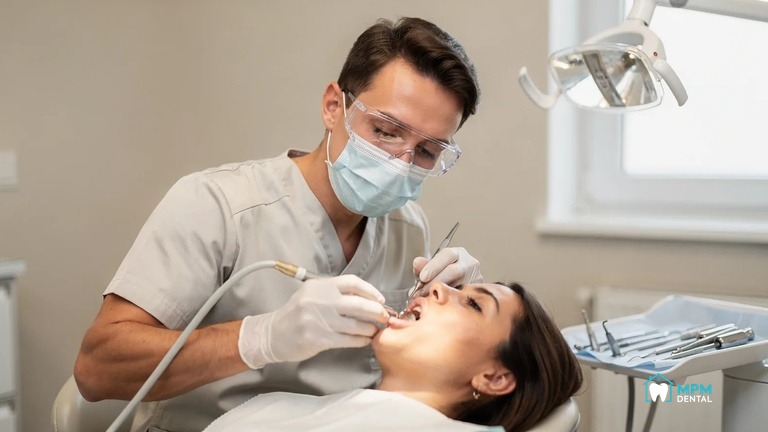
Clinical competence forms the backbone of quality dental care. Skilled dental professionals perform dental cleanings, conduct oral assessments, and apply treatments such as fluoride and sealants with precision. Mastery of dental tools is inseparable from these tasks — without it, even routine procedures become unreliable.
Manual dexterity ranks equally high. Dental work happens in a confined space, and fine motor skills combined with sharp hand-eye coordination allow professionals to complete delicate procedures without causing discomfort or damage to patients. Precision is not optional. It is the baseline.
Why do communication skills matter as much as clinical ones?
Strong communication skills separate good dental professionals from great ones. Dental professionals must translate complex procedures, oral health guidance, and treatment plans into language patients can easily understand. Clear explanations build trust and improve patient compliance with recommended care.
The top skills for dental professionals can be summarized as:
- Clinical competence — cleanings, assessments, fluoride, and sealant application
- Manual dexterity — fine motor control and hand-eye coordination in tight spaces
- Communication — patient-friendly explanations of procedures and treatment plans
MPM Dental, located in Jenison, MI, connects dental assistants, hygienists, dentists. Office staff with verified local practices where all three of these skills are in daily demand.
Which technical skills separate good dentists from great ones?
The top skills for a dental professional that elevate performance from competent to exceptional are rooted in precision, efficiency, and clinical dexterity. A dental professional who masters specific technical benchmarks consistently delivers better patient outcomes than one who relies on general training alone.
What makes crown preparation a benchmark skill for dentists?
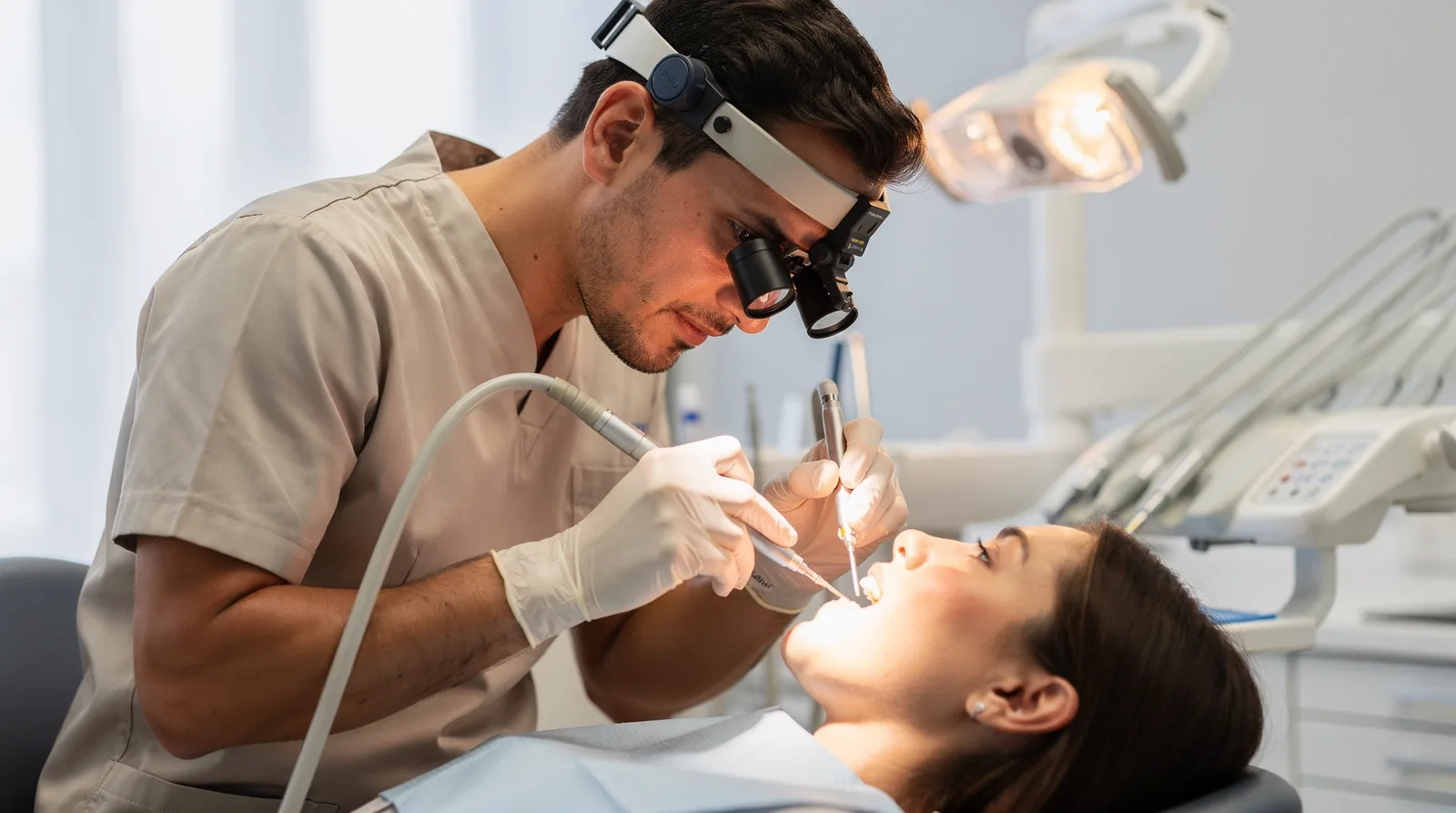
Efficient crown preparation stands as a key technical standard in modern dentistry. Mastering a dual-cord retraction system produces crisp margins, while high-speed diamond burs enable even occlusal reduction. Dentists who refine this process eliminate unnecessary steps and work with focused, deliberate technique.
Why does manual dexterity matter so much in dental work?
Dental hygienists and assistants operate with small instruments inside an extremely confined space. That environment demands practitioners who are tactical, agile, and precise — every movement carries consequence. Imprecision in such a small area causes patient discomfort and compromises treatment quality.
Technical skill also extends to documentation and chairside support. Dental assistants perform critical functions that keep clinical workflows running smoothly:
- Chairside assistance during examinations and active treatment
- Dental charting and accurate record-keeping throughout each appointment
- Instrument handling that supports the lead clinician’s precision work
These responsibilities require the same dexterity. Attention to detail that define strong clinical performance at every level of the dental team.
How do soft skills shape a dental professional’s career success?
Soft skills define how a dental professional connects with patients, teammates, and the broader care environment. Mastering these abilities separates competent clinicians from truly exceptional ones.
Dental hygiene is an art as much as a science. Technical knowledge alone does not produce outstanding patient outcomes. Professionals must cultivate a wide range of interpersonal and behavioral skills alongside clinical training. The top skills for dental professional success consistently include communication, teamwork, and service orientation.
Why does communication matter most in dental care?
Clear, confident communication builds patient trust and encourages compliance with treatment plans. When patients understand procedures and oral health guidance, they follow through. That outcome directly improves clinical results.
What teamwork skills do dental roles demand?
Dental offices function as tightly coordinated teams. Roles ranging from hygienist to receptionist require professionals who thrive in collaborative settings, communicate clearly with colleagues. Take genuine pride in delivering excellent service. Front-desk staff, for example, serve as the first point of patient contact. Their interpersonal skills shape the entire patient experience before a clinician ever enters the room.
Key soft skills dental professionals develop:
- Active listening to understand patient concerns
- Empathy to ease anxiety and build rapport
- Team collaboration to keep workflows efficient
- Clear verbal communication to explain procedures and care instructions
Whether you’re advancing your career in Jenison or beyond, mastering these core dental skills positions you for meaningful success in patient care and professional growth. The dental field rewards professionals who combine technical expertise with genuine compassion, adaptability, and commitment to continuous learning. By developing these competencies, you build a foundation that sustains a rewarding career dedicated to improving oral health and transforming patient experiences.
FAQ
What three core skills define a great dental professional?
Clinical competence, manual dexterity, and communication form the three interlocking pillars of a strong dental career. Lacking any one of them lowers care quality and damages patient trust.
Why do communication skills matter for dental professionals?
Strong communication skills allow dental professionals to translate complex procedures. Treatment plans into language patients understand, building trust and improving compliance with recommended care. cite-1
Where does MPM Dental operate and what roles does it support?
MPM Dental is located in Jenison, MI, and connects dental assistants, hygienists, dentists. Office staff with verified local practices where clinical, dexterity, and communication skills are in daily demand.